
You're still the bottleneck.
You use Claude Code, Cursor, or Codex. You know agents can write, review, and ship code. But you're still babysitting: one terminal, one task, tied to your machine. Terrarium is the cloud platform that turns capable agents into living software.
We'll reach out when your spot is ready.
Engineering is processes. We spent our careers writing code by hand, not because that's the job, but because there was no other way. Agents changed that. Now the work is specification and validation. Define what needs to happen. Verify that it did. Everything in between shouldn't need you.
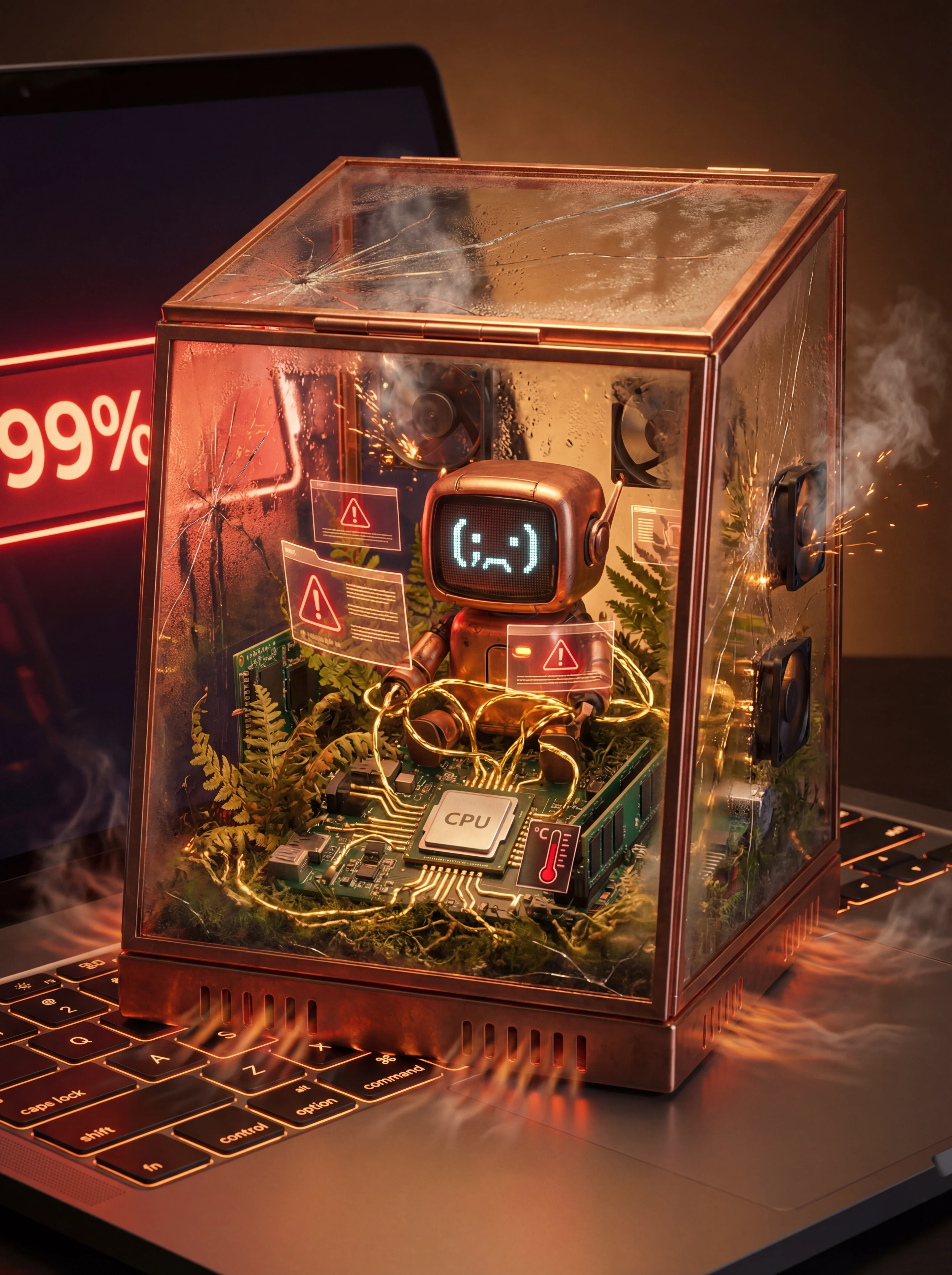
You have a backlog of twenty tickets and one pair of hands. You could parallelize the work (the agents are capable) but nothing connects the pieces. So you sit there: one terminal, one task, one bottleneck.
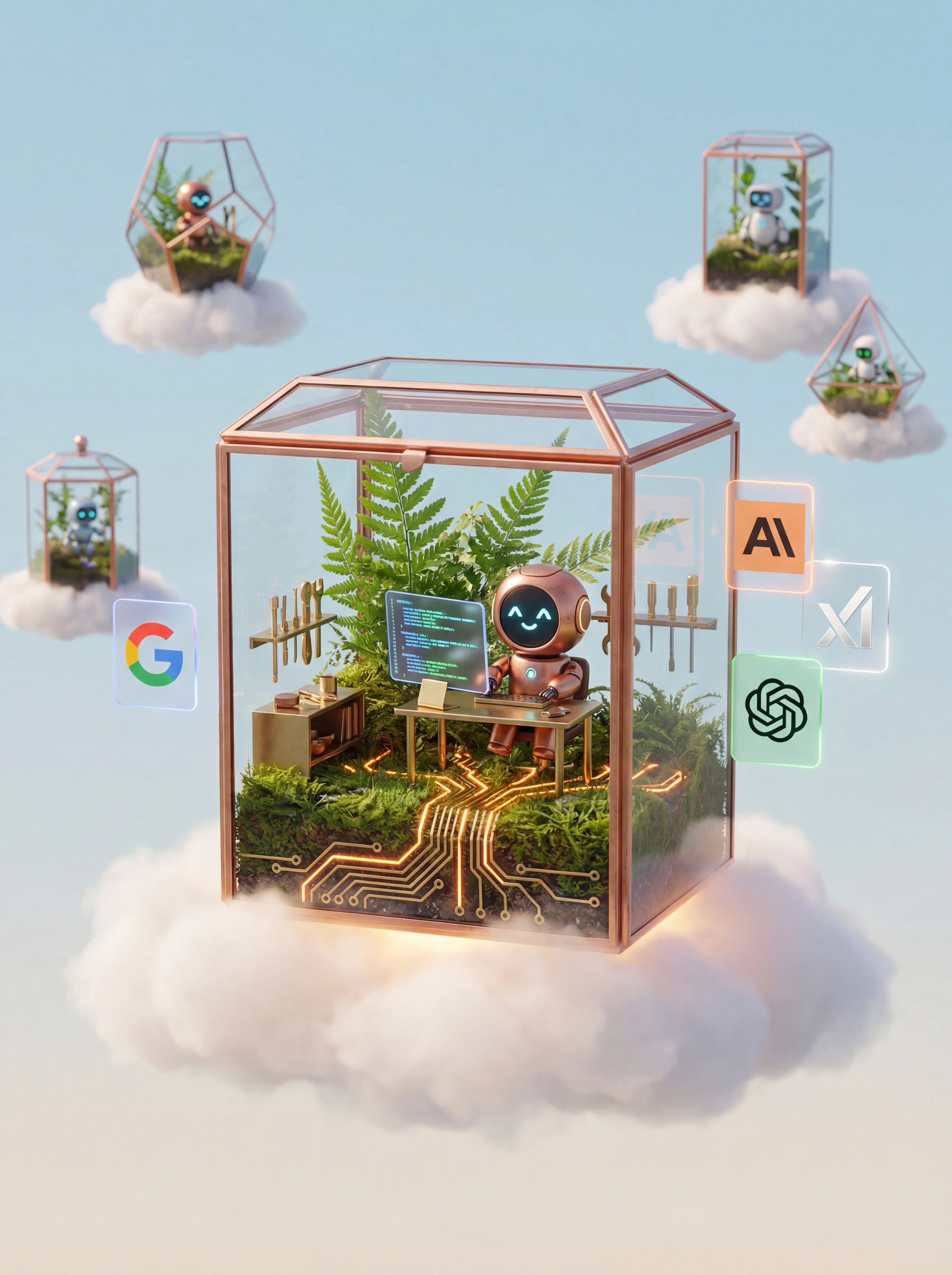
Every task gets its own cloud sandbox. You configure an agent once: tools, skills, model. That configuration becomes a reusable unit, no LangGraph pipelines or CrewAI boilerplate required. Any model through OpenRouter, not just Claude. One thread, one task, one specialized agent.
The runtime gives you sandboxes. The platform connects them, and it's designed to configure itself. Tell an agent what you need. It builds the rest.
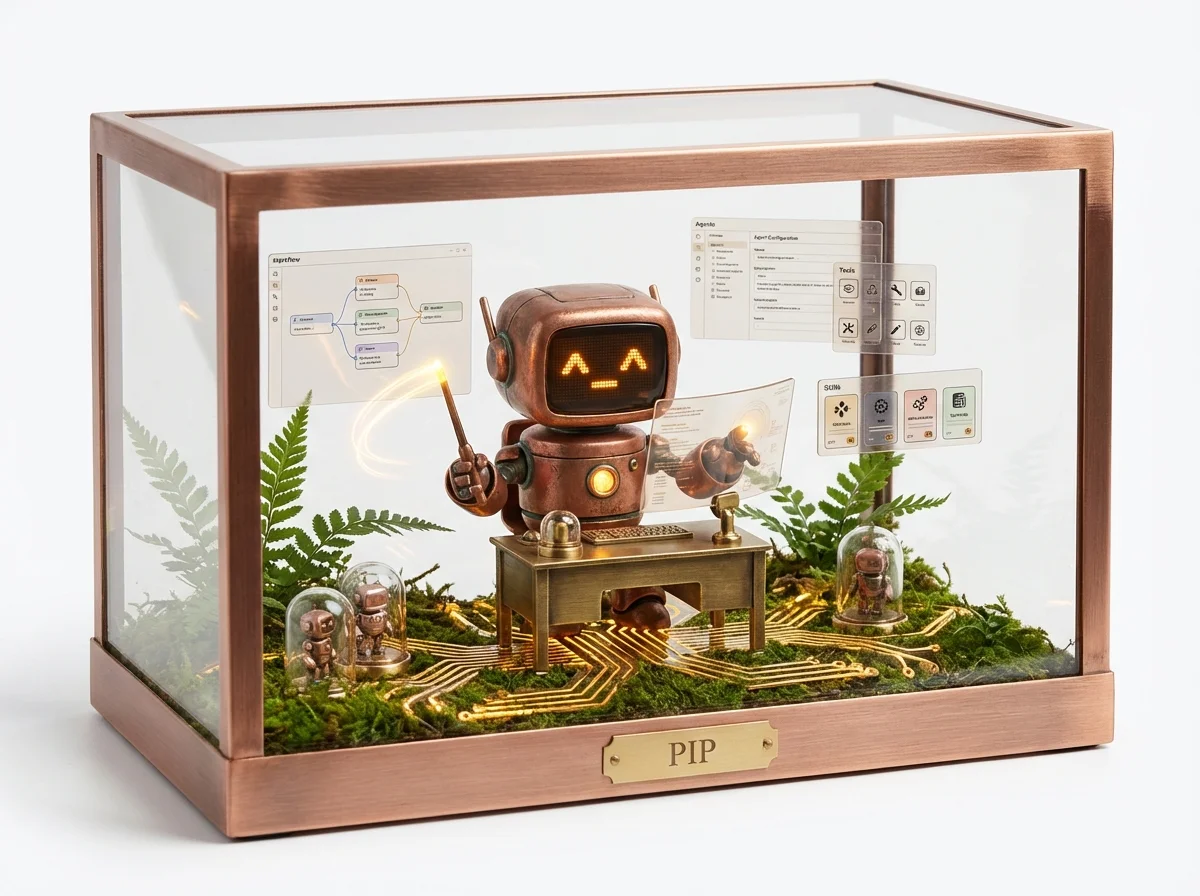
Tell Pip what you need. "Turn my Linear tickets into pull requests." Pip configures the agents, finds the right MCP tools, writes custom skills, and wires the workflow end to end. You review the result. The platform is designed to be operated by its own agents.
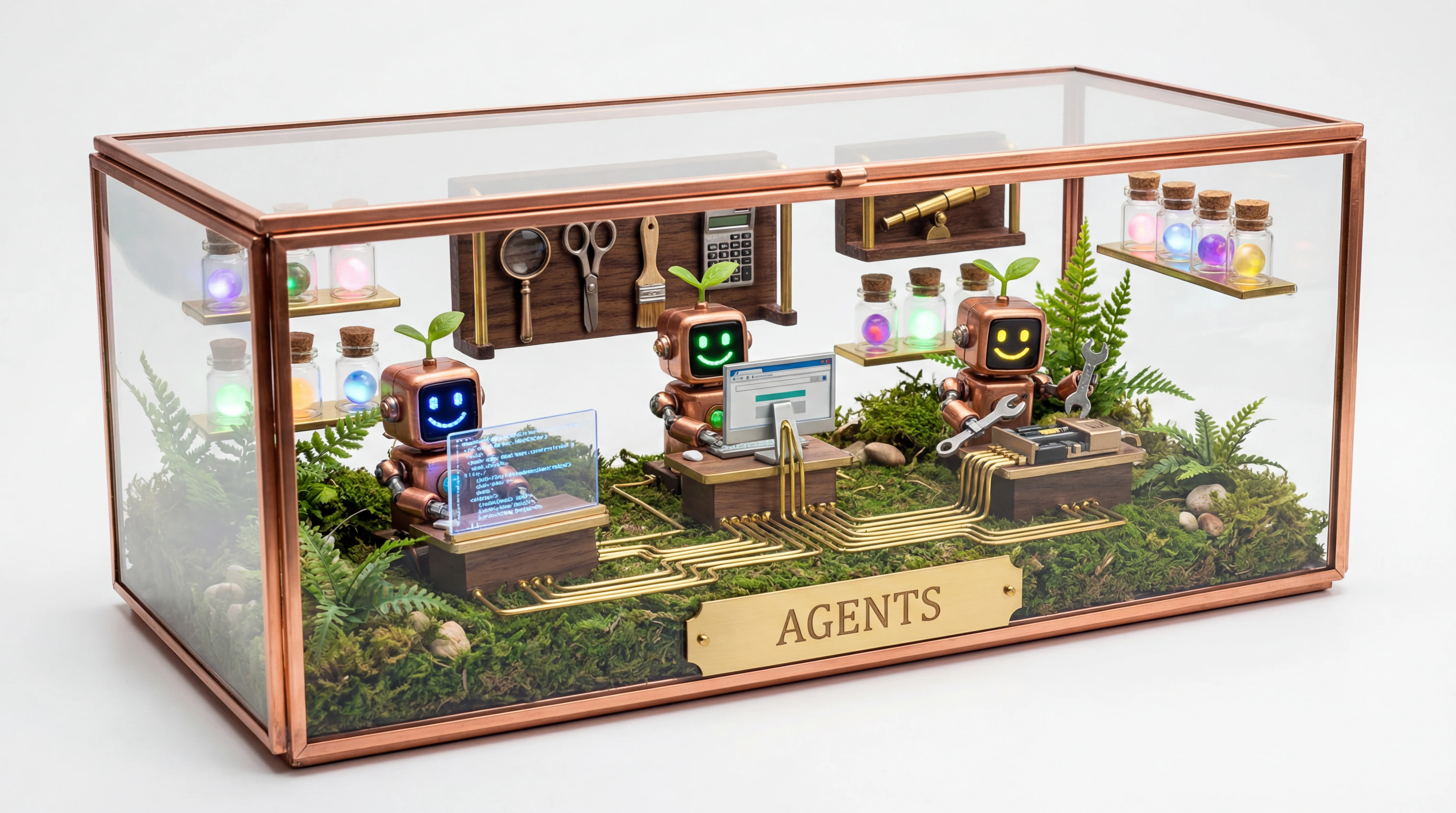
Define an agent with its tools, skills, and model. That configuration becomes a reusable unit. Deploy it across projects, workflows, and automations. Each thread is one task, one agent, persistent state. Configure once, run forever.

Chain agents into multi-step pipelines. Fan-out for parallel work. Route outputs from one step into the next. Approval gates pause for human decisions. You stop being the glue — the workflow handles the handoffs.

Webhooks and cron schedules. Your agents react to GitHub pushes, Stripe events, or a daily trigger. Define the trigger, define the response, walk away. The work happens whether you're watching or not.

Workflows pause at approval gates. Pending decisions surface in one place: your inbox. Review context, approve or reject, resume. You intervene at checkpoints, not at every step.
When agents run on your machine, they run with your credentials, your files, your permissions. One prompt injection away from ~/.ssh. That's why people buy dedicated hardware just to isolate them. Terrarium solves this by design.
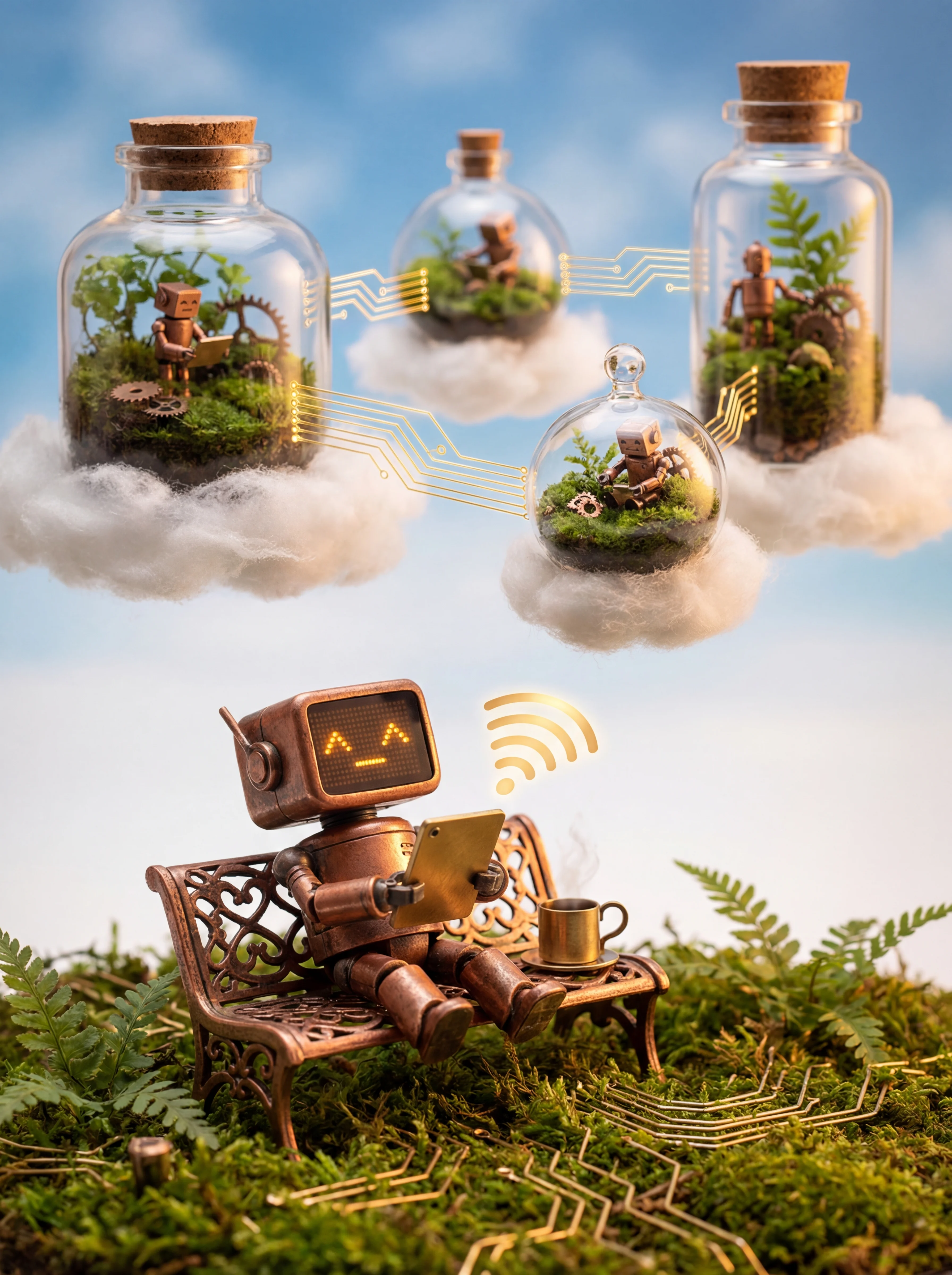
This platform maintains itself with the same workflows it gives you. We didn't build a tool. We built the system we use every day. Free during beta.
We'll reach out when your spot is ready.
A cloud platform for running AI agent workflows. Think of what Zapier and N8N do for API automation, but for AI coding agents. Each agent gets its own isolated sandbox with configurable tools, skills, and model routing. Chain them into multi-step workflows with approval gates, automate them with webhooks and cron schedules, and manage everything from a single inbox.
Cursor and Codex run on your machine, one task at a time. Devin is cloud-based but gives you a single AI engineer. Terrarium is the layer above: it orchestrates multiple agents in parallel with workflows and approval gates. You keep using your favorite agents. Terrarium gives them structure.
Any model available through OpenRouter, including Claude, GPT, and Gemini. You can route different models per workflow step, using powerful models for reasoning and cheaper models for mechanical tasks. Bring your own API keys with no markup on tokens.
LangGraph, CrewAI, and Mastra are code frameworks. You write Python or TypeScript to define agent pipelines, then host them yourself. Terrarium is a managed platform with a visual workflow builder. No code required for orchestration, and every agent runs in an isolated cloud sandbox. Terrarium is where you go when you've outgrown scripts but don't want to run infrastructure.
Secure by design. Agents run in ephemeral sandboxes that are not addressable from the internet. Secrets are scoped per-task and never stored in the sandbox. When an agent finishes, the sandbox is destroyed. No open ports, no SSH tunnels, no persistent attack surface.